Acreage Home Buying Basics In Black Forest
May 21, 2026
May 21, 2026
Dreaming about more space in Black Forest? Acreage can offer privacy, room to spread out, and a very different pace than a standard subdivision, but it also comes with a different kind of homework. If you are thinking about buying an acreage property here, the smartest move is to understand how the land actually works before you fall in love with the view. Let’s dive in.
Buying acreage in Black Forest is usually less about finding a typical house and more about evaluating a full property system. In many cases, you are not just buying the home itself. You are also taking on responsibility for water, wastewater, access, site maintenance, and wildfire mitigation.
That matters because Black Forest Fire Rescue identifies the area as a wildland-urban interface. In practical terms, that means access, defensible space, and ongoing vegetation management are important parts of ownership, not side issues.
Before you focus on bedrooms or finishes, ask yourself how hands-on you want to be. A larger parcel may give you more freedom, but it can also mean more maintenance and more property-specific systems to monitor.
If you want lower day-to-day upkeep, lot size alone will not tell you much. You also need to know whether the property has reliable utilities, manageable road access, and wildfire risk that fits your comfort level.
On many Black Forest acreage properties, water comes from a private well. Colorado’s Division of Water Resources handles permits for new and replacement wells and the registration of existing wells, so it is important to confirm the well status early in your due diligence.
You will want to know whether the property uses a private well, shared well, or another water source. This is one of the first questions to answer because it affects both day-to-day use and long-term planning.
Private well water is not governed by specific laws under the Safe Drinking Water Act, which is why testing matters so much. El Paso County Public Health offers potable-water testing for private well owners, and a pre-closing water test is a practical step for acreage buyers.
It is also wise to think beyond normal conditions. County public health notes that wells can be affected by wildfire, power outages, equipment failure, or contamination, so backup planning and system condition are worth reviewing before you buy.
In Colorado, septic systems are commonly referred to as on-site wastewater treatment systems, or OWTS. For systems with flows of 2,000 gallons per day or less, permitting is handled at the county level, and El Paso County Public Health maintains permit and homeowner resources.
For you as a buyer, the key issue is simple: verify what is there and how it has been maintained. A septic system may be out of sight, but it should never be out of mind.
When reviewing a Black Forest acreage home, ask about the age of the system, service history, pump or tank repairs, and whether the system has ever been damaged. In a wildfire-prone area, that last question is especially important.
El Paso County Public Health specifically advises owners to inspect wells and OWTS for damage after a fire or major event. If there is any history of wildfire impact or other major site disruption, make sure that gets checked.
Acreage properties do not always have the same utility setup from one parcel to the next. That means you should verify the exact electric, gas, and internet service for the specific address instead of assuming standard neighborhood service is already in place.
This matters whether you are buying an existing home or considering future improvements. Utility planning can affect convenience, monthly costs, and how easy it will be to use the property the way you want.
Some parts of Black Forest now have access to high-speed internet through MVEA’s fiber project. Even so, availability can still vary by location, so it is best to confirm current service options directly for the property you are considering.
If you work from home, stream heavily, or need dependable connectivity, this is not a detail to leave until later. On acreage, service expectations should always be verified, not assumed.
Road access is one of the biggest differences between acreage living and city living. El Paso County manages more than 2,100 miles of paved and gravel roads, and the county says most gravel roads are maintained on a six- to eight-week schedule.
That is why you should ask how often the road is graded, how snow removal is handled, and whether mud or dust is a seasonal issue. A scenic approach can feel very different in spring or winter than it does on a sunny showing day.
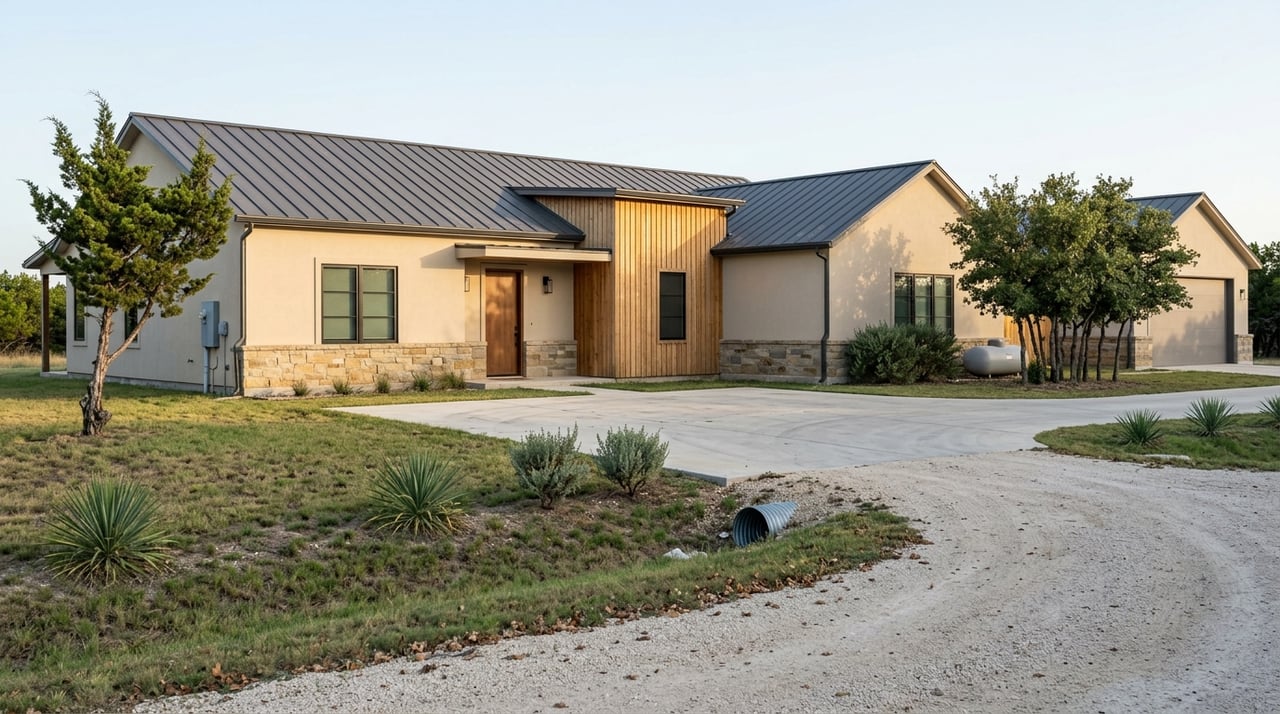
Driveway drainage can create more maintenance than many buyers expect. El Paso County says homeowners are responsible for maintaining the culvert under the driveway and 10 feet on each side.
That means access is not just about whether a driveway exists. You also want to understand condition, drainage, and what upkeep falls on you after closing.
If access is by private road, do not assume the county will eventually take it over. El Paso County says converting a private road to county maintenance is usually difficult and expensive and may require surveying, engineering, drainage improvements, right-of-way work, and upgrades to county standards.
This is also why title review and plat review matter so much. According to the county assessor, roads and similar areas become county property only when properly dedicated and accepted. Otherwise, ownership and maintenance may stay with the subdivider or fall under recorded agreements.
On acreage properties, sheds, barns, detached garages, shops, and greenhouses can be a major part of the appeal. They can also create extra due diligence.
PPRBD states that one-story detached accessory structures up to 200 square feet supported directly on grade do not require a permit. Larger outbuildings generally do require permit review, and agricultural structures may be treated differently from ordinary backyard improvements.
If a property includes multiple structures, ask what permits were pulled and whether site plans or approvals are available. This step can help you understand what was added properly and what may need a closer look.
Wildfire mitigation is not optional background information in Black Forest. Black Forest Fire Rescue and county code both frame defensible space, access, fuel modification, and site planning as central issues in this area.
For you as a buyer, that means asking what work has already been completed and what still needs attention. Trees, brush, roof materials, and structure spacing can all affect ongoing maintenance and future planning.
El Paso County’s land development code requires wildfire risk and hazard mitigation planning in wildland fire areas, including access, fuel modification, and water supply. The code also states that outbuildings and similar accessory structures should be separated from the main structure by at least 30 feet, and Class A roofing is required in wildland areas.
The county’s Slash & Mulch program and Black Forest Fire Rescue both present vegetation management as a practical part of living here. In other words, acreage ownership often includes an ongoing plan for reducing hazardous fuels, not just a one-time cleanup project.
Not every acreage property works the same way when it comes to shared maintenance. In El Paso County, an HOA or another approved entity may be required when a development includes common facilities such as private roads, drainage features, or water facilities.
For smaller subdivisions, maintenance responsibilities may instead be addressed through covenants or joint-use agreements. That is why you should always ask whether there is an HOA, shared-road agreement, shared-maintenance arrangement, or other recorded document affecting the property.
When four or more lots rely on wells, county rules may require an HOA or approved entity to handle certain water-obligation responsibilities. Recorded documents matter here, and buyers typically rely on a title company or land research company to review them because the county clerk and recorder does not perform title searches.
If you want a simple acreage due diligence checklist, start here:
Acreage purchases in Black Forest often require a more layered review than a standard suburban home. You may need to verify information with a title company, well professional, septic professional, permit contact, and local agencies, depending on the property.
That can sound like a lot, but it becomes much more manageable when the process is structured from the start. With a calm plan and the right questions, you can sort out the details before they become surprises.
If you are considering a Black Forest acreage home, working with someone who understands how to slow the process down, verify the right items, and help you evaluate tradeoffs can make a real difference. If you want clear, steady guidance as you compare properties in Black Forest and the greater Colorado Springs area, reach out to Aubrey Cook.
Stay up to date on the latest real estate trends.
From your first question to closing day, Aubrey brings the structure, local expertise, and personal care that turns one of life's biggest moments into a seamless experience.