Living Under The Pines In Black Forest
May 14, 2026
May 14, 2026
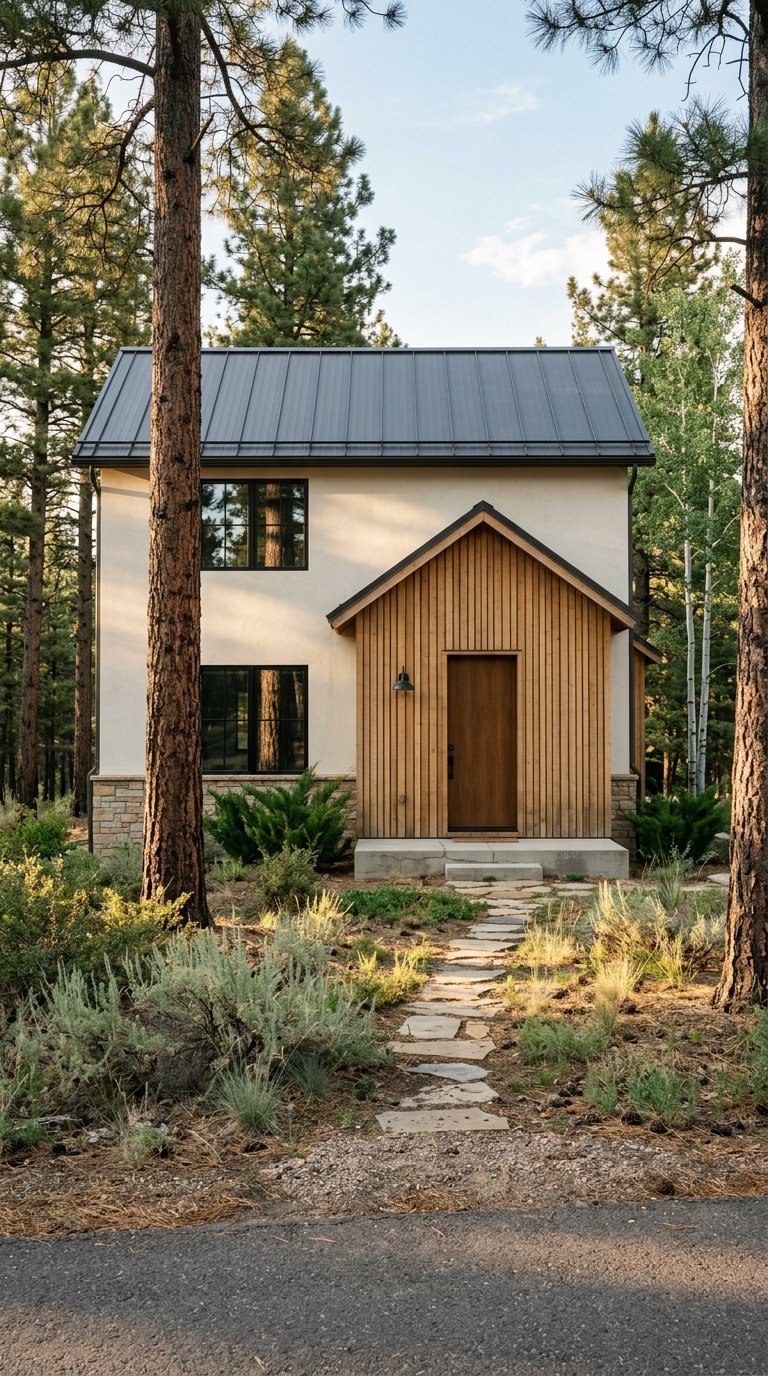
If you picture Colorado living as tall pines, open skies, and room to breathe, Black Forest likely stands out for a reason. This part of El Paso County offers a very different feel from a typical subdivision, and that difference can be exactly what you want or more than you want to manage. If you are considering a move here, it helps to understand both the appeal and the day-to-day reality before you buy. Let’s dive in.
Black Forest is a large, low-density community in El Paso County with 15,097 residents spread across 100.64 square miles, according to the Census. That works out to about 150 people per square mile, which helps explain why the area feels open, quiet, and spread out rather than tightly built.
County planning documents describe Black Forest as primarily rural-residential with limited supporting commercial and industrial development. In simple terms, you are not moving into a dense suburban grid. You are moving into a place where land, privacy, and a wooded setting shape the experience of daily life.
That character also shows up in the housing pattern. County policy for the Timbered Area calls for an average minimum lot area of 5 acres, and in five-acre density areas the minimum lot size should be at least 2.5 acres in most cases. For many buyers, that means one of the biggest reasons to choose Black Forest is the space itself.
For the right buyer, Black Forest offers something harder to find closer to more built-up parts of the Colorado Springs area. You can often get a larger parcel, more separation from neighbors, and a stronger connection to the landscape.
The area also appears to be a place where people tend to stay. The latest Census profile shows 95.8% of housing units are owner-occupied, and 90.6% of residents lived in the same house one year earlier. That points to a market where long-term ownership is common and turnover is relatively limited.
If you want a home that feels more like a retreat than a standard neighborhood, Black Forest can deliver that feeling. The tradeoff is that you usually need to be comfortable with more land, more systems to verify, and more upkeep than you would expect in a conventional subdivision.
Black Forest is best understood as a land-and-privacy market. County subdivision materials show the kinds of properties buyers often encounter here, including RR-5 zoning, single-family lots around 5 acres, and development shaped around preserving rural character.
That means your search may focus less on compact lots and close-in convenience and more on parcel layout, tree coverage, access, terrain, and how the home sits on the land. Two properties with similar square footage can feel very different if one has easier access, more usable open space, or different utility setups.
Price points also reflect the area’s profile. The latest ACS estimates show a median owner-occupied home value of $856,200, with median monthly owner costs with a mortgage at $2,885. Median household income is $145,460, which helps explain why Black Forest often attracts buyers looking for space and privacy rather than entry-level pricing.
One of the biggest mistakes buyers can make in Black Forest is assuming every property works like an in-town home. In this area, parcel-by-parcel verification is especially important.
County subdivision materials for Black Forest note examples where water is provided by individual onsite wells and wastewater by individual onsite wastewater treatment systems. That is a strong reminder that you should confirm utility details for each property rather than assume city-style service.
When you are evaluating a home or vacant land in Black Forest, pay close attention to:
This kind of due diligence is not meant to scare you away. It is simply part of making a smart, well-prepared decision in a rural-residential market.
One reason Black Forest has such a loyal following is the setting. This is not just a place with houses on larger lots. It is a place where the surrounding landscape shapes how people spend time.
Black Forest Regional Park is a major part of that identity. El Paso County describes it as a 385-acre park with ponderosa pines, Pikes Peak views, hiking, mountain biking, horseback riding, playing fields, tennis courts, playgrounds, and picnic pavilions set into natural openings in the forest.
Pineries Open Space adds even more to the area’s outdoor appeal. The county says this 1,070-acre open space includes ponderosa pine forests, grassland meadows, wetlands, small ponds, abundant wildlife, and about 9 miles of trails.
If you value trail access, scenic surroundings, and a stronger sense of connection to the land, Black Forest offers a lot to like. That outdoor identity is not an extra feature here. It is part of what defines the community.
Living under the pines sounds peaceful, and often it is. Still, Black Forest works best when you go in with a clear understanding of the practical side of ownership.
Vegetation management is part of life here. El Paso County operates the Black Forest Slash & Mulch program for tree limbs and other natural wood debris, which gives you a good sense of how common ongoing forest maintenance is for local property owners.
That means your routine may include more property cleanup, tree care, and seasonal maintenance than you would have in a more compact neighborhood. For many owners, that is a worthwhile trade for the privacy, setting, and elbow room. The key is making sure the lifestyle fits what you actually want to manage.
In Black Forest, wildfire awareness is not optional background information. It is part of responsible ownership.
Black Forest Fire Rescue says the area sits in the wildland-urban interface and emphasizes defensible space and mitigation. The Colorado State Forest Service also says wildfire mitigation is essential for homes near natural vegetation.
For buyers, this means you should think beyond the house itself. You should also look at the surrounding trees, the condition of the site, and what ongoing mitigation may be needed to help protect the property.
Black Forest Fire Rescue offers free on-site consultations for local property owners. That is a valuable local resource and a good example of how wildfire readiness becomes part of the ownership mindset here.
Even with its country feel, Black Forest is still connected to the broader Colorado Springs area. County park directions show access through routes including I-25, Highway 83, Shoup Road, Interquest Parkway, Black Forest Road, and Woodmen Road.
The Census reports a mean travel time to work of 30.1 minutes. That helps frame Black Forest as a rural enclave with metro access rather than an isolated outpost.
For many buyers, this balance is the sweet spot. You can have more land and a quieter setting while still maintaining practical ties to jobs, services, and the rest of the region.
Black Forest tends to appeal to buyers who want space, privacy, and a wooded setting and who understand that those benefits come with extra responsibility. If you like the idea of larger lots, rural-residential character, and daily life shaped by the outdoors, the area can be a great fit.
It may be less ideal if you want a low-maintenance property, tighter neighborhood layout, or city-style utilities with fewer moving parts to verify. The right choice usually comes down to how you weigh privacy and land against upkeep, utility diligence, and wildfire readiness.
That is where a clear, structured approach matters. When you compare properties in Black Forest, the goal is not just finding a beautiful home. It is making sure the land, systems, access, and lifestyle line up with how you want to live.
If you are thinking about buying or selling in Black Forest, having calm guidance can make the process much easier. Aubrey Cook brings a practical, low-pressure approach that helps you evaluate the tradeoffs, stay organized, and move forward with confidence.
Stay up to date on the latest real estate trends.
From your first question to closing day, Aubrey brings the structure, local expertise, and personal care that turns one of life's biggest moments into a seamless experience.